Institutional Memory Is Walking Out the Door. I Tried to Stop It.
I didn't build an AI to replace the sales team. I built the assistant to the sales responsible, and teaching it when to say "ask someone more experienced" turned out to be the hard part.
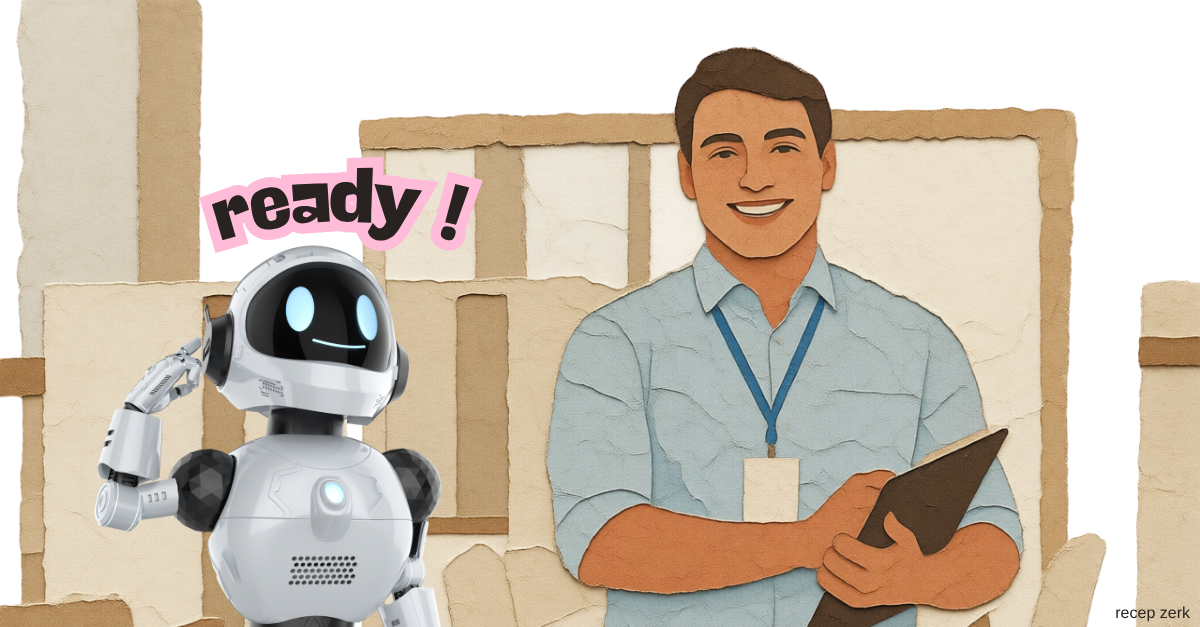
There's a joke in The Office. Dwight Schrute isn't the regional manager. He's the assistant to the regional manager. The distinction matters to him enormously.
I thought about that when I was building this.
What I created wasn't an AI that replaces your sales team. It's the assistant to the sales responsible. And that framing, small as it sounds, changed everything about how I approached it.
The problem I was actually trying to solve
I've worked in the heating sector for a long time. Long enough to know that sales here isn't a simple transaction. Every customer has a different setup, different problems, different needs. A good sales rep needs real domain knowledge, not just a product catalog and a smile.
The issue is that building that knowledge takes time. When you lose an experienced person, or bring someone new on board, there's a gap. Training takes months. In the meantime, planning suffers, customers wait, and mistakes happen that an experienced eye would have caught immediately.
So I started thinking: what if we could encode some of that experience? Not replace the person. Just... give new people a foundation to stand on faster.
What I actually built
Claude's Projects feature lets you create a persistent assistant with its own knowledge base. You upload documents, set instructions, and the assistant works from that material rather than from general knowledge. A kind of RAG system, if you want the technical term. But the concept is simpler than that: it knows what you tell it, and nothing else.
I uploaded the documents our sector relies on most. Technical specs, product data, installation guides. Then I added our own company documents, project visuals with dimension details, measurement references. The things a new sales rep would need to handle real conversations.
But the most important file wasn't a product sheet. It was a document I wrote myself. Years of accumulated experience, compressed into one place. The situations that come up most often. The questions you should always ask. The things that look simple but aren't. The mistakes that cost time and money and could have been avoided.
That file is what turned a document retrieval system into something that actually behaves like a knowledgeable colleague.
What it does in practice
A new sales rep opens a conversation. They describe the customer's situation. The assistant asks the right questions, the ones an experienced person would ask, because those questions are built into how it was trained. It works through the scenario step by step. And at the end, it helps prepare the offer.
It doesn't just answer. It guides. There's a difference.
A new person who doesn't yet know what they don't know has something to lean on. They're less likely to miss a critical detail. Less likely to quote something that doesn't fit the situation. Less likely to come back to a senior person with a problem that could have been caught earlier.
The part most people skip: setting the limits
This is where a lot of AI implementations go wrong. They try to make the system handle everything. And then it handles things it shouldn't, confidently, and someone pays for it.
I built the limits deliberately. The assistant knows what it's for. And when a situation goes beyond a certain complexity, or when the variables are unusual enough that experience really does matter, it doesn't try to push through. It tells the person: this one needs a more experienced eye. Go ask someone.
That's not a failure of the system. That's the system working correctly. Knowing when to escalate is a skill. We built that skill in.
What this is really about
There's a concept that doesn't get talked about enough in business: institutional memory. The knowledge that lives in people, not in documents. The things you only learn by doing, by making mistakes, by watching how a veteran handles a difficult customer.
When that person leaves, the knowledge walks out with them. And the next person starts from scratch.
What I built is an attempt to slow that loss down. To take some of what we know and make it available to whoever needs it, whenever they need it. Not perfectly. Not completely. But enough to close the gap a little.
The assistant to the sales responsible isn't going to close your biggest deal. But it might stop your newest hire from losing one they should have kept. That's enough for me.